Skip to content

00 / RAG system · AI knowledge assistant

RAG systems for businesses.

Your team asks in plain sentences. The RAG system searches manuals, contracts and tickets, answers from them and shows where it says so. If it finds no evidence, it tells you.

Intro call €0Cost estimate in four questionsBased in Duisburg, working across Germany

01 / What it does

A question goes in, an answer with its source comes out.

A language model on its own answers from whatever it learned at some point. It has never seen your manuals.

So the knowledge assistant searches your documents first and only then answers. That turns manuals, contracts and tickets into an internal AI search across your company knowledge.

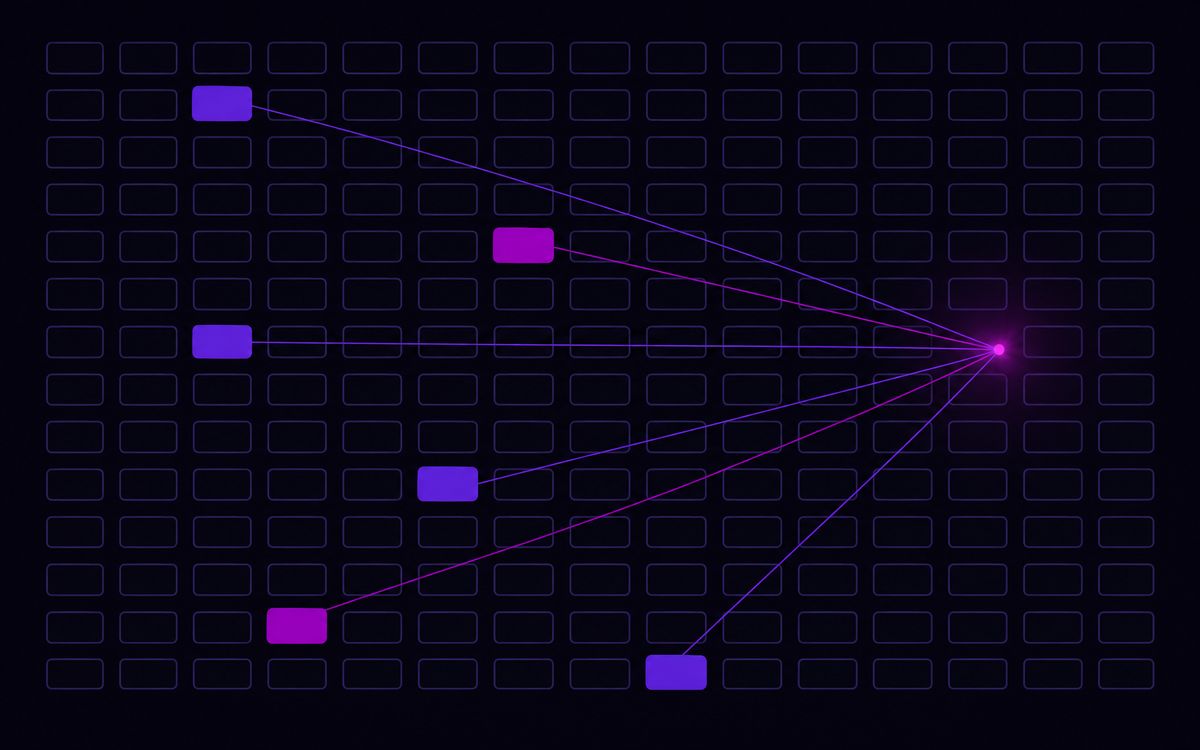
QuestionDocumentsAnswerSource
  • 01

    Answers with the source

    Under every answer you see which document and which section it comes from. One click and you read the passage yourself before you rely on it.

  • 02

    Only what you may see

    You decide who may ask about what. Access rights apply during the search itself. If you work for several clients, each tenant sees only its own documents.

  • 03

    Up to date

    When a document changes, the assistant reads it again. The next answer comes from the new version, and nobody has to maintain a list.

    How data gets in ↓

03 / No source

No source, no claim.

A language model writes a fluent sentence even when it doesn’t know the answer. For a question about notice periods or service intervals, that is more dangerous than no answer at all.

So we build the assistant to say only what is written in a section it found. What it can’t back up, it doesn’t claim.

Searchmatchanswer with sourceno matchsays so, no guessingno accessas if it weren’t there
  • 01

    It finds matching sections

    Then it answers from exactly those sections and attaches them as sources.

  • 02

    It finds nothing

    Then it says it found nothing on that in the documents, and it doesn’t guess. Those questions can be collected. They show you which document is missing.

  • 03

    Something exists, but not for you

    Then for you it doesn’t exist. The assistant doesn’t even reveal that there is a document on the question you aren’t allowed to open.

04 / Connecting data

How your documents get into the RAG system.

The assistant is only as good as what it finds. So most of the work goes into connecting the right sources and keeping them current.

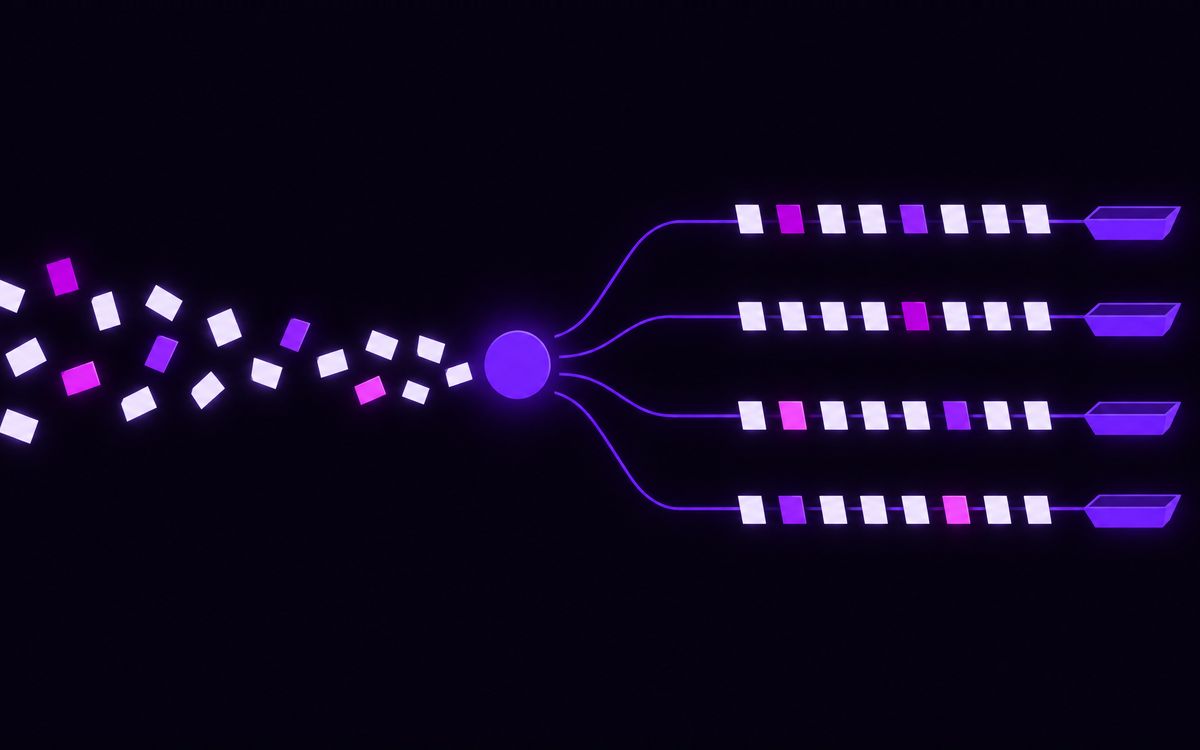
ManualContractTicketsSectionsIndexre-read on every change
  • 01

    You decide what goes in

    Manuals, contracts, tickets, code. We start with the documents your team asks about most often and add more once the first ones hold up.

  • 02

    Split into sections

    Every document is divided into sections and stored so the search finds the right one, even when your question uses different words than the manual.

  • 03

    Current without manual work

    When a source changes, it gets read in again. Our own store is up to date shortly after every change.

  • 04

    Runs where your data may stay

    Whether the assistant runs on a server we operate for you or in-house at your company, we decide together. The AI ticket routing, for example, runs at the client’s own site.

    View hosting ↗

05 / Scope

Looking things up, or a workflow?

Both fall under AI and automation for us. Which one you need depends on whether a person asks a question or a workflow should keep moving.

  • 01

    Knowledge assistant

    A person asks a question and gets an answer with its source. The knowledge stays in the documents, the assistant looks it up. It can run as its own page or inside a web app you already use.

    View web apps ↗
  • 02

    AI automation

    A workflow should keep going without manual work: sorting tickets, filing emails, reading details from documents. There the model decides and doesn’t write an answer for people.

    View AI automation ↗
All AI services ↗

06 / What it costs

What a RAG system costs: the work, not the number of questions.

We bill by effort. How many hours it takes depends on the number and type of sources and on how fine-grained the access rights need to be. The calculator on the contact page gives you a first cost estimate in four questions. We plan the scope with you.

On top come running costs for operations, depending on where the assistant runs. If it runs with us under maintenance, changes of up to one hour of work are included.

Four questions, then you see budget and weeks.

What it’s about, how big, how demanding, how urgent. No obligation and no contact details. If you send an inquiry afterwards, you don’t type anything twice.

Get a cost estimate
Intro call and cost estimate
€0

Every payment comes after a sign-off. You can step out between any two milestones.

07 / How it works

How your RAG system gets built: the most common questions first, then the rest.

A knowledge assistant doesn’t have to know everything on day one. It has to answer well the questions your team asks every day.

  1. 01

    Intro call

    Which questions come up again and again, and where are the answers written down? If something off the shelf will do, we tell you here. Costs €0.

  2. 02

    Two days with you

    We come from Duisburg to your company, wherever you are in Germany. We watch who looks up what, where the documents live and who may read them today. That turns into a specification and a quote.

  3. 03

    First sources

    We connect the most important documents. Your team tests with real questions and checks every answer against its source.

  4. 04

    Expansion

    More sources, access rights, connections to your tools. We build in one-week sprints, each ending with a demo.

  5. 05

    Operations

    The sources stay connected and current. The source code lives in your repository, even while we keep looking after it.

The full process ↗

08 / Questions

Questions about RAG systems and the AI knowledge assistant.

What is an AI knowledge assistant?
A program your team asks questions in plain sentences, and that answers from your own documents: manuals, contracts, tickets, code. Under every answer is the source. It replaces digging through the shared drive and asking the one colleague who knows.
What is a RAG system?
A system built on retrieval-augmented generation (RAG). Before it answers, the model gets the matching sections from your documents and answers from them instead of from memory. Our own knowledge store is named after it, Zeasy RAG, and has been running since 2025.
Is a RAG system the same as an AI chatbot on your own data?
At its core, yes. You type a question and get an answer from your company knowledge instead of from the model’s memory. With us, two things come on top: under every answer is the source, and access rights apply during the search itself. Some call this an AI knowledge base or internal AI search.
Aren’t ChatGPT, Microsoft Copilot or NotebookLM with your own files enough?
For one person and a few files an off-the-shelf tool is often enough, and if so we tell you in the intro call. We build a dedicated assistant when many people ask who shouldn’t all see the same things, when the documents change all the time, or when the data shouldn’t leave the company.
What is the difference between RAG and fine-tuning?
With RAG the knowledge stays in the documents and the model looks it up. When a document changes, the next answer comes from the new version. With fine-tuning a model learns a behavior, such as assigning tickets to the right department. That’s how we built the AI ticket routing. For questions put to manuals and contracts, looking things up is the right way.
Does a RAG system hallucinate?
A language model on its own writes a fluent sentence even when it doesn’t know the answer. That is called hallucination. We build the RAG system to answer only from sections it found and to attach them as sources. If it finds nothing, it says so. You can check every answer against its source with one click.
What happens when the assistant doesn’t know the answer?
It says it found nothing in the documents. We build it to answer only from sections it found. Questions without a match can be collected, they show which document is missing.
Does every employee see every document?
No. You decide who may ask about what, by user, role or tenant. Access rights apply during the search itself. A section someone isn’t allowed to open doesn’t appear in their answers.
RAG and GDPR: does our data leave the company?
We decide that with you before anything is built. A model can run in-house at your company. That’s how the AI ticket routing works, where new tickets never leave the company. If we process your data, you get a data processing agreement under Art. 28 GDPR.
How does the knowledge in the RAG system stay current?
When a source changes, it gets read in again, and nobody has to maintain a list. The next answer comes from the new version. Our own store is up to date shortly after every change.
How long does it take to have a RAG system built?
That depends on the number and type of sources and on the access rights. The calculator on the contact page gives you a first range in weeks after four questions. The sequence is fixed: intro call, two days with you, then a specification and a quote. After that we first connect the documents your team asks about most often, and you test with real questions. We build in one-week sprints, each ending with a demo.
What does a RAG system or AI knowledge assistant cost?
We bill by effort, not by the number of questions. How many hours it takes depends on the number and type of sources and on the access rights. The calculator on the contact page gives you a first cost estimate in four questions, without contact details. The intro call and cost estimate cost €0. On top come running costs for operations.
Tell us briefly about your project

The intro call costs nothing, and neither does the cost estimate after it. If what you need can be bought off the shelf, we tell you its name and send no invoice.

Start a project

We usually reply the same business day